
Dreaming of a trip to Japan that goes beyond the usual tourist traps, allowing you to truly immerse yourself in the culture and connect with its incredible people?
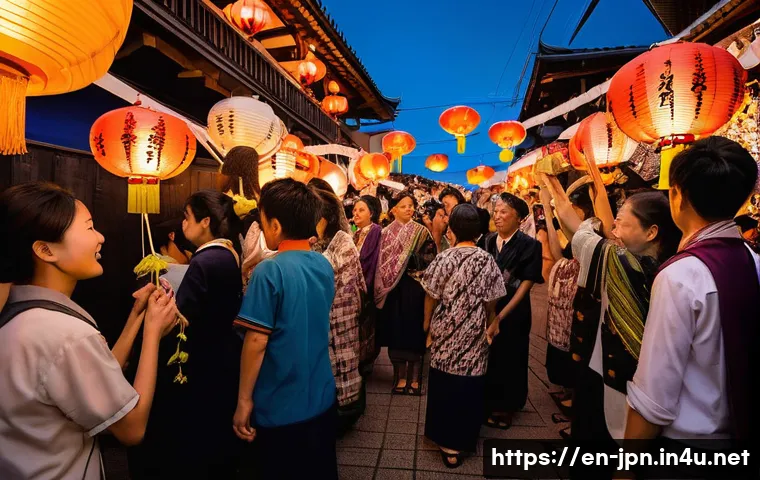
I’ve personally found that diving into Japanese language studies, especially preparing for the JLPT, isn’t just about passing a test; it’s a direct gateway to unlocking deeper, more authentic experiences throughout the country.
With Japan’s tourism industry seeing an unprecedented surge post-pandemic, understanding the intricate relationship between language proficiency and inbound travel trends has become more fascinating than ever.
It’s truly incredible how even a basic grasp of the language can transform your journey, making every interaction richer and more memorable. This shift highlights a crucial trend: travelers are increasingly seeking genuine cultural engagement, and language is their ultimate tool for achieving it.
Let’s discover exactly how the JLPT plays a vital role in the vibrant and ever-evolving world of Japanese tourism.
It’s fascinating how something like a language proficiency test, the JLPT, isn’t just a hurdle for students but actually opens up a whole new world for travelers in Japan.
I mean, we’ve all seen the numbers – Japan’s tourism is absolutely booming post-pandemic, with visitor numbers in 2024 surpassing pre-pandemic levels by a significant 15.6% and spending reaching a whopping ¥8.13 trillion, a 69.1% increase from 2019.
This isn’t just about more people coming; it’s about a shift towards “experience consumption” rather than just “material consumption,” with travelers seeking deeper cultural and personal enrichment.
And honestly, from my personal travels there, nothing elevates that experience quite like trying to speak the local language. You might think basic English is enough, and in major hubs, it often is, with English signage and translation tools becoming more prevalent.
But trust me, that minimal effort to connect in Japanese makes all the difference. It turns a standard trip into something truly extraordinary, and I’ve seen it happen time and time again, not just for myself but for so many fellow travelers I’ve met along the way.
Unlocking Authentic Experiences Through Language
Beyond Tourist Traps: The Real Japan Beckons
My initial trips to Japan were amazing, don’t get me wrong, but there was always a subtle barrier. I could navigate, order food, and get by with English, especially in big cities like Tokyo or Kyoto.
However, it felt like I was always on the surface, observing rather than truly participating. That all changed when I started seriously dedicating myself to Japanese.
It’s not just about asking for directions or ordering sushi; it’s about the genuine smiles you receive when you attempt a polite phrase, or the unexpected conversations that unfold with a shop owner or a local at a tiny izakaya.
Suddenly, you’re not just a tourist, but a welcomed guest. This push towards “experience consumption” in Japan’s tourism sector means travelers are actively looking for these kinds of interactions, and language is the most direct way to get there.
It’s like going from watching a movie to actually being in it. The nuances of daily life, the subtle humor, the unspoken customs – they all become so much clearer when you can understand even a little of the language.
I’ve found that locals are incredibly patient and appreciative of any effort you make, which just fuels your confidence to try even more.
Cultivating Deeper Connections with Locals
There’s a unique warmth that comes from connecting with Japanese people in their own language. I remember once, I was trying to find a specific, tiny temple tucked away in a Kyoto backstreet.
I stopped at a small local bakery and attempted to ask for directions in my somewhat clumsy Japanese. The baker, an elderly woman, not only gave me clear instructions but also shared a personal story about the temple, how her family had visited it for generations, and even offered me a freshly baked treat.
That moment, purely enabled by my willingness to speak Japanese, was far more memorable than any postcard-perfect landmark. These are the kinds of interactions that make a trip truly special, turning strangers into friendly faces and fleeting moments into cherished memories.
It makes you feel like you’re part of the local fabric, even if just for a brief time. Many travelers appreciate the possibility of becoming familiar with local culture and customs, and I can tell you from my heart, language is the key.
Navigating Japan Like a Local: Practical Perks
Beyond Google Translate: Real-Time Understanding
While technology has made traveling easier, with apps like Google Translate often coming in handy, there are still situations where genuine language skills are irreplaceable.
Imagine trying to decipher a handwritten menu in a small, traditional restaurant with no English translation, or understanding a local announcement at a train station about a sudden delay.
My own experience has taught me that relying solely on translation apps can sometimes lead to hilarious but also frustrating misunderstandings. Having even an N4 or N5 JLPT level means you can grasp basic conversations and read short passages, making these everyday situations much smoother.
It builds confidence, reduces anxiety, and allows for more spontaneous decisions, letting you truly immerse yourself in the moment rather than constantly fumbling with your phone.
You’re no longer just passively consuming information; you’re actively engaging with it.
Unlocking Hidden Gems and Local Secrets
One of my favorite things to do in Japan is to wander off the beaten path, away from the main tourist hubs. This is where your Japanese language skills truly shine.
Local festivals, for instance, often have limited English information, but knowing Japanese allows you to understand the event schedules, participate in local traditions, and even chat with the vendors.
I once stumbled upon a tiny, local *matsuri* (festival) in a rural town, and because I could communicate, I learned about its unique history and joined in the festivities with the community.
These are the experiences that aren’t in any guidebooks, the real hidden gems that only open up to those who make the effort to bridge the language gap.
It’s like having a secret key to unlock exclusive doors, revealing a side of Japan that many visitors never get to see. This deeper understanding also fosters enhanced respect and sensitivity for the local culture and customs.
The Economic Edge: Saving Yen and Enhancing Value
Bargaining (Gently!) and Local Pricing
Now, I’m not saying you’re going to haggle at every turn in Japan – that’s generally not part of the culture. However, speaking Japanese can definitely give you an edge when it comes to understanding pricing, special offers, or even finding cheaper alternatives that aren’t advertised in English.
I’ve personally saved a fair bit of yen by being able to ask about local deals at markets, or understanding which restaurants offer better lunch sets.
It’s not about being cheap; it’s about being informed and getting the best value for your money. With the weak yen currently making Japan even more affordable for many international travelers, understanding the local economy through language can stretch your budget further, allowing for even more experiences.
Plus, showing respect by speaking Japanese often leads to more favorable interactions.
Accessing Local Services and Information
Beyond just saving money, having Japanese proficiency simplifies countless practical aspects of travel. Think about getting around via public transport, which is incredibly efficient but can sometimes have signs that are predominantly in Japanese outside of major tourist spots.
Or perhaps you need to visit a pharmacy, navigate a local post office, or even set up a temporary SIM card. My own experience navigating the Japanese healthcare system for a minor issue was made significantly less stressful because I could explain my symptoms in Japanese, ensuring I received the correct advice and medication.
These are the moments when language skills truly become invaluable, turning potential headaches into smooth sailing.
| JLPT Level | Travel Impact | Cultural Immersion |
|---|---|---|
| N5 | Basic phrases for greetings, ordering food, simple directions. Helps with polite interactions. | Shows respect, opens doors to brief, friendly exchanges. |
| N4 | Understand daily conversations and short written passages. Can manage everyday situations. | Deals with more nuanced customs, participates in simple local events. |
| N3 | Intermediate level, can follow complex conversations to a degree, more confident independent travel. | Engages in deeper discussions, understands subtle cultural references, feels more integrated. |
| N2/N1 | Near-fluent, navigates any situation, accesses specialized services, reads almost all written material. | Fully immerses, understands complex societal norms, builds lasting friendships, potential for work/study. |
Connecting with the Heart of Japan: Personal Stories
Sharing Laughter Over Cultural Nuances
There have been so many times when my attempts at Japanese have led to shared laughter and a genuine connection. Once, I mistakenly used a very formal phrase in a casual setting, and everyone around me chuckled good-naturedly.
Instead of being embarrassed, it led to a fun explanation of Japanese politeness levels and a deeper understanding of *keigo*. These aren’t just language lessons; they’re cultural lessons wrapped in humor and human connection.
It’s those real, unscripted moments that truly make you feel like you’re experiencing the heart of Japan, not just its curated attractions. Being able to understand and participate in these light-hearted exchanges creates a bond that transcends the typical tourist-local dynamic.
Experiencing Festivals and Traditions Authentically
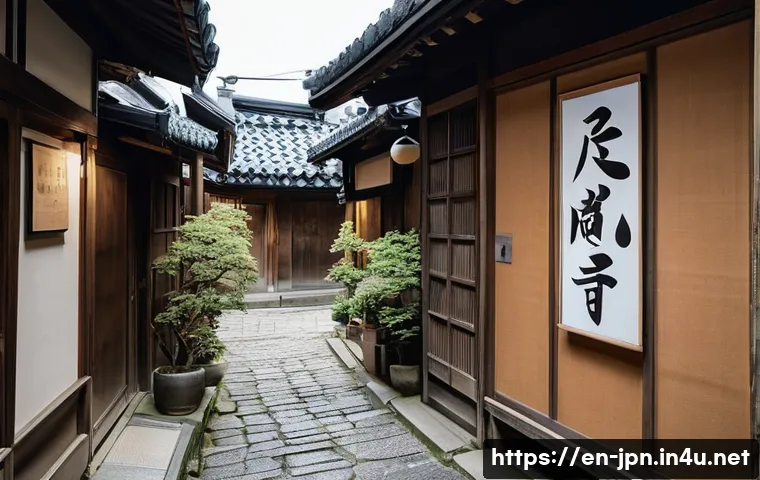
Japan’s festivals are incredible, vibrant displays of culture and community spirit. While you can certainly enjoy them as an observer without knowing Japanese, I can tell you that participating with even basic language skills elevates the experience tenfold.
Being able to understand the chants, ask about the history of a specific float, or even just respond to a friendly greeting from a local reveler makes you feel like an active part of the tradition, rather than just an onlooker.
I’ve participated in everything from smaller local *matsuri* to the grander Gion Matsuri, and each time, my Japanese skills allowed me to engage more deeply, learn more from the locals, and create memories that truly resonate.
It’s an unparalleled feeling of belonging that pure observation simply can’t provide.
A Gateway to Unique Opportunities: More Than Just Tourism
Beyond a Holiday: Living and Working in Japan
For those who dream of more than just a short visit, perhaps even living or working in Japan, JLPT certification becomes incredibly important. While it’s not strictly necessary for every short-term tourist, if you’re thinking about a longer stay, studying abroad, or finding employment, the JLPT levels, particularly N2 or N1, are often a prerequisite.
From my perspective, preparing for the JLPT not only gives you a tangible goal but also structures your learning in a way that provides a robust foundation for real-world application.
It’s an investment in your future, opening doors to academic pursuits, diverse career opportunities in fields like IT, hospitality, or translation, and even preferential immigration treatment.
It transitions you from a visitor to a potential resident, offering a completely different level of immersion.
Networking and Building Lasting Friendships
Learning Japanese allows you to build deeper, more meaningful relationships with Japanese people, both during your travels and potentially beyond. Whether it’s making friends in a language exchange program or connecting with colleagues if you decide to work there, language acts as a bridge.
I’ve made some incredible friends in Japan, and our shared language has allowed us to discuss everything from local politics to the latest anime trends, enriching my understanding of the culture in ways that would have been impossible otherwise.
These connections can lead to invitations to local gatherings, introductions to fascinating individuals, and experiences that are far removed from anything a typical tour operator could offer.
It’s about building a network, finding a community, and truly feeling at home in a foreign land.
Preparing for Your Journey: Making JLPT Your Travel Companion
Tailoring Your Language Study for Travel
When you’re preparing for the JLPT with travel in mind, I always suggest focusing on practical conversational Japanese alongside the test curriculum. While the JLPT provides a solid framework for grammar and vocabulary, make sure to practice everyday scenarios like ordering food, asking for directions, shopping, and common polite phrases.
There are fantastic online resources, apps, and even local language exchange meetups that can complement your textbook studies. My personal tip? Engage with Japanese media like anime, dramas, and music.
It’s a fun way to immerse yourself, pick up natural phrasing, and train your ear to the rhythm of the language. This practical application of your JLPT knowledge will make your trip infinitely more rewarding.
Embracing the Journey, One Phrase at a Time
Don’t let the thought of mastering Japanese intimidate you. Even a little bit goes a long, long way. Start with basic greetings like *Ohayou gozaimasu* (Good morning) and *Arigatou gozaimasu* (Thank you), and build from there.
The most important thing is the willingness to try. Japanese people genuinely appreciate the effort, and every small interaction, every new phrase learned, adds to the richness of your travel experience.
I’ve seen countless travelers start their trips with just a few basic words and end up surprising themselves with how much they’ve picked up and how many doors those simple phrases have opened.
It’s a journey of continuous discovery, and the JLPT can be a fantastic companion, guiding you towards deeper cultural understanding and unforgettable adventures in Japan.
Wrapping Up Our Journey
As we’ve explored together, learning Japanese, even just a little, isn’t simply about passing a test like the JLPT; it’s about unlocking an entirely new dimension of travel and connection.
From those unexpected smiles you receive when you try a simple phrase to navigating bustling train stations with newfound confidence, every small effort truly transforms your experience.
I’ve personally seen how these linguistic bridges turn fleeting visits into lasting memories, making Japan feel less like a destination and more like a second home.
So, if you’re dreaming of a trip that goes beyond the ordinary, consider making Japanese your secret weapon – it’s an investment that pays off in countless unforgettable moments.
Handy Tips for Your Japan Adventure
1. Start with the basics: Focus on essential phrases for greetings, ordering food, asking for directions, and expressing gratitude. Even a handful of polite Japanese expressions will make a significant difference in your interactions.
2. Don’t fear making mistakes: Japanese people are generally very appreciative of any effort you make to speak their language. Embrace the learning process, and don’t let the fear of imperfection stop you from trying.
3. Leverage technology wisely: While language apps like Google Translate are useful, try to use them as a supplement rather than a sole reliance. Attempting to speak first, then using the app for clarification, is a great strategy.
4. Immerse yourself: Watch Japanese dramas, anime, listen to music, or even try language exchange apps to practice listening and speaking in a fun, engaging way outside of formal study.
5. Focus on cultural context: Beyond just words, understanding Japanese etiquette, such as bowing or specific polite phrases, enhances your communication and shows immense respect, making your interactions even smoother.
Key Takeaways for Your Next Trip
Diving into the Japanese language, even superficially, profoundly elevates your travel experience, transforming you from a mere visitor into an engaged participant. It opens doors to authentic cultural immersion, fosters genuine connections with locals, and makes practical navigation of daily life significantly smoother. Beyond tourism, language skills can unlock opportunities for longer stays, work, or study, enriching your life in unforeseen ways. Remember, every phrase learned is a step towards a deeper, more rewarding adventure in the heart of Japan, fostering respect and creating invaluable memories that truly last a lifetime.
Frequently Asked Questions (FAQ) 📖
Q: Is the JLPT really necessary for a more authentic Japanese travel experience, or can I get by with just a phrasebook and Google Translate?
A: Oh, this is a question I hear all the time! And my honest answer, from someone who’s been there, done that, is while you can absolutely get by with a phrasebook and translation apps – and honestly, they’ve become incredibly helpful tools these days – the JLPT offers something far more profound for authentic travel.
Think of it this way: a phrasebook gives you sentences, but language proficiency, especially what you gain from JLPT studies, gives you conversations.
It’s the difference between asking “Where is the bathroom?” and genuinely understanding a local’s detailed directions, maybe even sharing a laugh about a funny cultural misunderstanding.
I’ve personally found that even a basic JLPT level, like N5 or N4, empowers you to navigate everyday situations with a sense of independence and confidence that apps just can’t replicate.
You can read simple signs, understand train announcements (a lifesaver, trust me!), and order food with a nuance that makes locals genuinely happy to engage with you.
It’s about breaking down those invisible barriers and creating real, memorable connections. It feels less like being a tourist and more like being a guest.
Q: How has the recent surge in tourism post-pandemic changed the importance of knowing Japanese for travelers seeking genuine cultural engagement?
A: This is such a timely question! Japan’s tourism scene has exploded post-pandemic, with visitor numbers absolutely soaring, even surpassing pre-2019 levels.
While this is fantastic for the economy, it’s created a fascinating dynamic. On one hand, you’ll find more English-language options in major tourist hubs, from ATMs to train stations, which makes navigation easier than ever.
But here’s the kicker: with this massive influx, some popular spots are feeling the strain of “overtourism,” and let’s be real, a lot of new visitors are seeking those Instagram-perfect moments rather than deep cultural dives.
This is exactly where knowing Japanese becomes not just helpful, but truly transformative for genuine cultural engagement. My own experience has shown me that when you can speak even a little Japanese, you’re instantly set apart.
Locals appreciate the effort, and you gain access to smaller, more authentic eateries, local festivals, and conversations in neighborhoods less frequented by the masses.
It’s like the country breathes a sigh of relief when you try to speak their language, and they open up in a way they might not with someone relying solely on translation.
It shows respect and a genuine desire to connect beyond the superficial, which is what real cultural immersion is all about.
Q: Beyond just passing the test, what are some practical ways JLPT studies actually enhance my daily interactions and cultural immersion in Japan?
A: This is where the magic truly happens, my friend! JLPT isn’t just about grammar points and vocabulary lists; it’s a structured journey that builds a robust foundation for real-world interactions.
I’ve personally noticed several practical benefits. First, your confidence skyrockets! Even a little bit of Japanese helps you move around with ease, from understanding train station names and announcements to ordering food without a hitch.
It helps you read menus, understand basic signs, and even make inquiries in places where English isn’t widely spoken. I remember struggling with a vending machine once, and because I had some basic kanji knowledge from JLPT prep, I figured out the “hot” versus “cold” options and felt like a total genius!
Second, it deeply enhances cultural immersion. You can engage in more meaningful conversations with locals, participate in cultural events like tea ceremonies or festivals, and experience authentic hospitality in less touristy areas.
When you speak the language, you start to pick up on nuances in conversations, jokes, and even subtle social cues that would otherwise be lost. It means you can ask a shopkeeper about their craft, chat with fellow travelers, or even understand the jokes on a TV show.
It’s about peeling back the layers of Japanese culture, one conversation at a time, making every interaction richer and more memorable. Believe me, it’s an absolute game-changer!